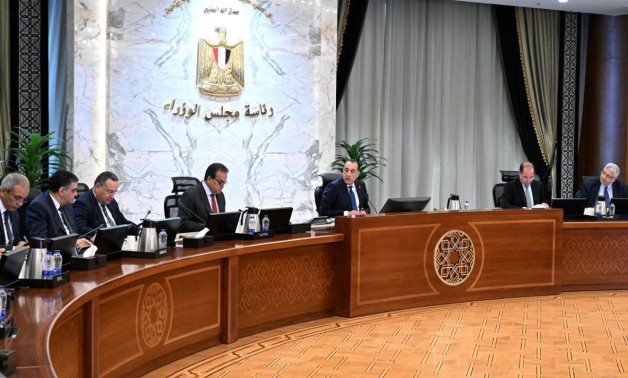




CAIRO – 11 June 2026: Egypt’s Prime Minister, Dr. Mostafa Madbouly, held a meeting to follow up on the availability of medicines and medical supplies, as well as the payment of dues to companies.
The meeting was attended by Dr. Khaled Abdel Ghaffar, Minister of Health and Population; Ahmed Kouchouk, Minister of Finance; and Dr. Abdel Aziz Qansouh, Minister of Higher Education and Scientific Research.
Also present were Dr. Mohamed Awad Tag El-Din, Advisor to the President of the Republic for Health and Prevention Affairs; Dr. Ali El-Ghamrawy, Chairman of the Egyptian Drug Authority; Dr. Hesham Steit, Chairman of the Board of Directors of the Egyptian Authority for Unified Procurement, Medical Supply, and Medical Technology Management; Mohamed Abu Moussa, Assistant Governor of the Central Bank; Dr. Hani Rashed, Vice Chairman of the Board of Directors of the General Authority for Healthcare; and officials from relevant ministries and agencies.
At the outset of the meeting, Dr. Mostafa Madbouly affirmed the state's commitment to continuously monitoring the availability of medicines and medical supplies of all types and ensuring their sustainable supply to citizens in the required quantities. He noted that these efforts support the state's objective of improving the healthcare system and achieving pharmaceutical security.
The Prime Minister also stressed the importance of strengthening coordination among relevant authorities to monitor strategic reserves of medicines and pharmaceutical raw materials, regularly assess local market needs, and take the necessary measures to ensure the smooth operation of production and supply processes. He further emphasized the importance of supporting efforts to localize the pharmaceutical industry and increase the share of locally manufactured components, thereby enhancing the sector’s ability to meet citizens' needs and address various challenges.
He also highlighted the importance of ensuring timely payments to pharmaceutical companies to maintain their commitment to supplying allocated quotas to government entities.
During the meeting, Dr. Khaled Abdel Ghaffar presented a comprehensive report on the current status of medicines, including stock levels of various medications and the availability of medical supplies used in treating different diseases.
Dr. Hesham Steit reviewed the unified medical supply system, "MedIQ," a national digital platform that links procurement, supply, and strategic inventory data across healthcare facilities and suppliers. The platform aims to enhance governance within the healthcare system, support decision-making, monitor performance indicators, improve the availability of medicines and medical supplies, optimize spending, and reduce waste by connecting healthcare teams with suppliers and service providers.
The system also includes an initiative for inventory management and governance within the healthcare sector, as well as unified asset management and maintenance. These measures are intended to improve investment planning for medical equipment based on actual needs, enhance response times, and minimize equipment downtime.
Dr. Steit also presented the project for establishing strategic warehouses for medical products and equipment, outlining their geographic distribution, storage capacity, and planned coverage during the first and second phases of the project.
Meanwhile, Dr. Ali El-Ghamrawy reviewed the Egyptian Drug Authority’s efforts to enhance drug security. He explained that a financing initiative aimed at securing a strategic stock of priority pharmaceutical products and raw materials has been approved. The initiative is designed to strengthen the readiness of Egypt’s pharmaceutical market to withstand potential supply-chain disruptions for at least three months.
He noted that U.S. dollar financing has been made available to secure 216 pharmaceutical products that have no local alternatives, as well as 484 active pharmaceutical ingredient (API) raw materials. He also reviewed the mechanisms and implementation stages of the initiative, which is being carried out through coordination among the Egyptian Drug Authority, the Central Bank of Egypt, and the Ministry of Finance.

Be Social



Comments
Leave a Comment